Move with confidence again.
A coordinated clinic for people who want to understand how they move and make informed decisions about what comes next.
Plan an assessment
Assessment pathway
A clear, step-by-step process to understand your priorities, movement context, and options.
- 01
Listen and understand
We begin with your story, current concerns, daily demands, and the activities that matter to you.
- 02
Assess and observe
A clinician considers relevant history and observes movement using only the measures appropriate to your visit.
- 03
Plan together
You review what was observed, discuss reasonable options, and decide on a plan that reflects your goals.
- 04
Guide and adapt
If you continue care, progress is reviewed and the plan can change as your needs and response become clearer.
Three disciplines. One coordinated plan.
Each discipline has a distinct role. When coordination is useful, information and priorities move with you.
Sports medicine
A clinical assessment of symptoms, history, activity demands, and relevant movement context, with referral when another type of care is appropriate.
Physical therapy
Movement-focused rehabilitation that may include education, graded exercise, and practical strategies for daily or sporting demands.
Performance
Progressive training designed around a defined activity goal, current capacity, and the demands you are preparing to meet.
Care stages
A working framework for how care may progress. Your route can be shorter, longer, or different.
- 01
Evaluate
Clarify the concern, context, and priorities for the visit.
- 02
Build a plan
Agree on useful next steps and what will be reviewed.
- 03
Restore capacity
Use graded work appropriate to current function and tolerance.
- 04
Prepare
Progress toward the specific demands of daily life or sport.
- 05
Adapt
Review the plan and adjust it as circumstances change.
This sequence describes a process, not a promised result. Recommendations depend on an individual assessment.
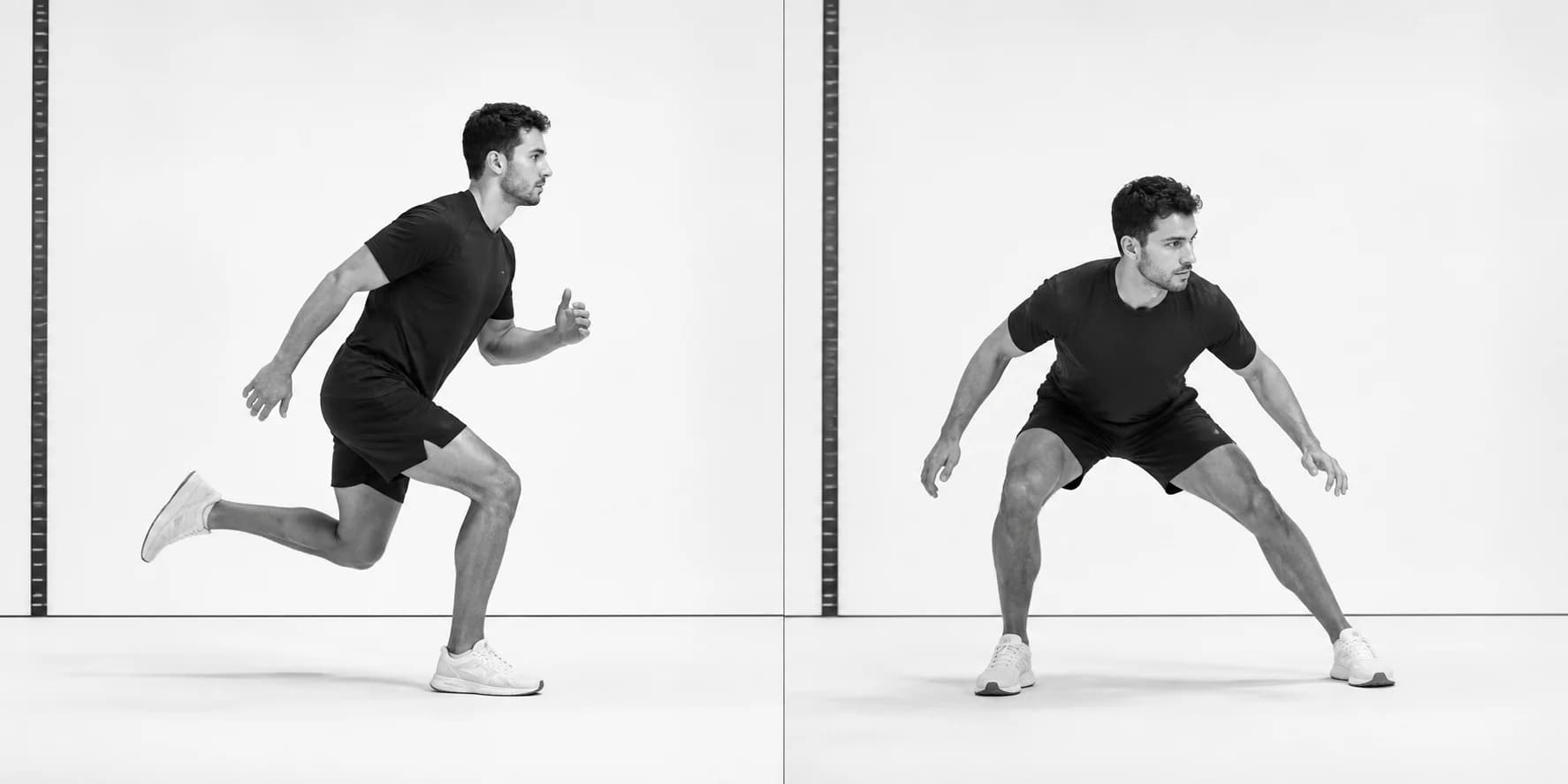
Movement lab
A focused space to observe a task, record useful details, and make the next conversation more specific.
Observe
Review the movement that matters in a controlled, repeatable setting.
Measure
Use selected video or force-based information when it adds context.
Refine
Translate relevant observations into a practical change to test and review.
Movement data supports clinical reasoning; it does not provide a diagnosis on its own.
Prepare for your first visit
A few practical details can help the assessment stay focused on what matters to you.
Your story
Bring a brief timeline, relevant records you already have, and the activities you want to discuss.
What to wear
Choose comfortable clothing and footwear that allow the relevant movement to be observed.
Medication and conditions
Have an up-to-date list of medications, allergies, and medical conditions available.
Questions
Write down what you want to understand, including timing, options, and what happens after the visit.
Ready to plan the next step?
Tell us what you want to discuss. The team can help identify the most appropriate first appointment.
Requests are reviewed before an appointment is confirmed.